How to Choose Carpet Pile for a Cosier Home
Wondering how to choose carpet pile? Compare twist, Saxony and loop styles by room, comfort, cleaning and wear, then choose with confidence at home today.
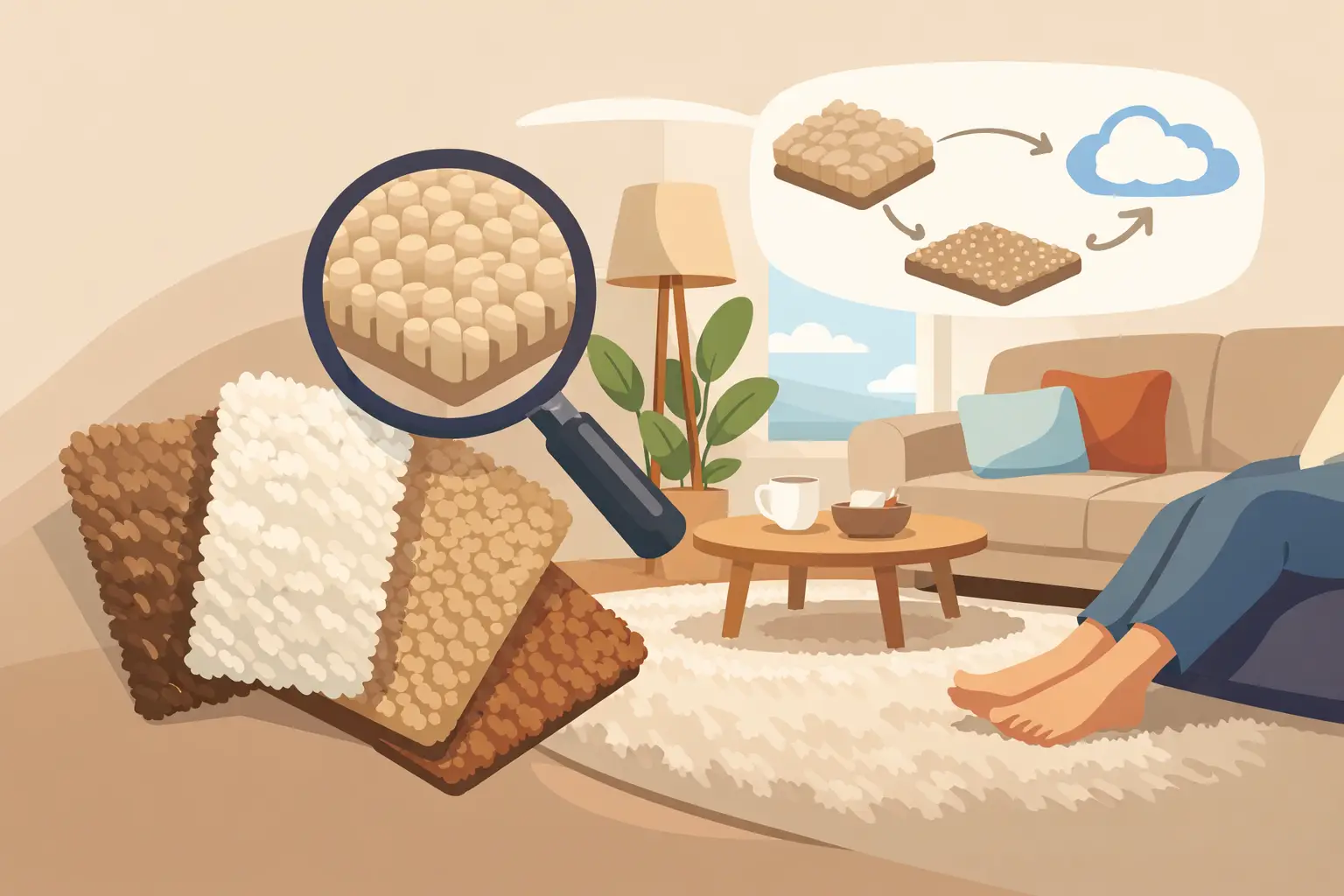
A carpet can look beautifully soft on a sample and still be the wrong choice for your hallway. That is why learning how to choose carpet pile starts with real life: who uses the room, how much footfall it gets, whether there are pets or children about, and how you want the space to feel underfoot.
Pile simply means the visible surface of a carpet - the fibres you walk on. Its height, density and construction all affect how cosy it feels, how it wears and how easy it is to look after. There is no single best pile. The right one is the one that suits your room without asking too much of you day to day.
Start with the room, not the colour
It is tempting to fall for a colour first. A warm grey, a soft oatmeal or a deep charcoal can transform a room, but pile type should lead the decision. A carpet for a quiet guest bedroom has a very different job from one running through a busy family hall.
Think about what happens there on an ordinary Tuesday. Is it a place where shoes come on and off? Does the dog settle by the radiator? Do children play on the floor? Is it a peaceful upstairs room where you want a little luxury when you get out of bed? Those answers narrow the choice quickly.
For lower-traffic spaces such as bedrooms, comfort and appearance often come first. In lounges, you usually need a balance of softness and everyday resilience. Hallways, stairs and landings need a pile that can cope with regular traffic, pressure from footwear and the occasional muddy dash inside.
How to choose carpet pile by style
Most home carpet choices come down to twist, Saxony or loop pile. Each has its own look and practical strengths, so it helps to compare them in the actual room rather than under showroom lights.
Twist pile: the reliable all-rounder
Twist pile carpets are made from yarn that has been tightly twisted, creating a neat, textured finish. They are popular for good reason: they feel comfortable while being practical enough for many busy homes.
A quality twist carpet can work well in living rooms, bedrooms, stairs and halls, depending on its specification. Its textured surface helps it hide light marks and everyday footprints better than a very smooth, plush style. If you want one carpet type that can carry a consistent look through several rooms, twist is often a sensible place to start.
The trade-off is that it will not have quite the same velvety, hotel-bedroom feel as a deep Saxony. For many Norfolk family homes, though, its easy-going appearance makes it a very cosy and realistic choice.
Saxony pile: soft, plush and made for comfort
Saxony carpet has a deeper, more luxurious pile with a smooth, soft finish. It is the one people often want to stroke when they see a sample. In bedrooms and quieter lounges, it can make the whole room feel warmer and more inviting.
Because the pile is longer and plusher, Saxony can show shading, vacuum lines and footprints. This is not a fault - it is part of the character of the carpet. The fibres reflect light differently depending on which way they are lying, so you may see lighter and darker areas after walking across it.
Choose Saxony if softness is high on your list and you do not mind a carpet that looks lived in between hoovers. It is especially lovely in master bedrooms, dressing rooms and low-traffic sitting rooms. It may be less suitable for a hard-working entrance hall where muddy shoes and constant movement are part of the routine.
Loop pile: textured and naturally characterful
Loop pile carpets keep the yarn in loops rather than cutting the ends, creating a textured finish. They can feel smart, relaxed and naturally at home in both traditional cottages and more contemporary spaces.
A loop pile can be a strong option for living rooms, stairs and areas where you want a more structured surface. It tends to disguise everyday use well, and the texture brings interest without needing a bold colour or pattern.
There is one important consideration for homes with cats, dogs or anything likely to catch the surface. Claws, sharp toys and snagging can pull loops, so it is worth being honest about how your household uses the room. A loop pile is not automatically off the table for pet owners, but a cut-pile twist may offer more peace of mind.
Pile height and density matter as much as softness
A longer pile can feel wonderfully luxurious, but height alone does not tell you whether a carpet is good quality. Density matters too. A denser carpet generally has more fibres packed into the backing, helping it feel fuller and recover better after being walked on.
When comparing samples, press your fingers into the pile and look at how quickly it springs back. Feel the weight of the sample as well. These are useful clues, although they are not the whole story. The backing, fibre type and the room it is intended for all play a part.
Do not assume that the softest carpet is automatically the best one for your home. A deep, soft pile can be perfect upstairs, while a firmer, denser twist may be the better long-term choice downstairs. Matching the pile to the job is what delivers value.
Choose a fibre that fits your household
Carpet pile is also influenced by the fibre used. Polypropylene is popular for practical family rooms because it is stain resistant and easy to clean. It can be a reassuring choice for dining spaces, playrooms and homes where spills are likely to happen.
Wool brings natural warmth, texture and a premium feel. It is a favourite for homeowners who want a more natural finish, particularly in bedrooms, lounges and character properties. Wool can be an investment, and it benefits from the right care, but its appearance and comfort are hard to beat.
Many carpets use wool blends or other synthetic fibres to balance comfort, durability and budget. The best option depends on where it is going and what you need it to cope with. A clear conversation about the room usually gets you further than focusing on technical terms alone.
Be realistic about cleaning and maintenance
Every carpet needs regular vacuuming, but some pile types are more forgiving than others. A low or medium twist tends to be easier to live with when the house is busy. A deep Saxony may need more attention to keep its pile looking even, particularly in walkways.
Colour makes a difference too. Very pale carpets can look stunning, but may show marks sooner in a hall or by a patio door. Very dark colours can highlight lint, pet hair and dust. Mid-tones, flecks and gentle texture often give you the most breathing room between cleans.
If you are replacing carpet after years of trying to keep a high-maintenance shade looking fresh, take that experience seriously. The right carpet should make your home feel better, not create another job on the weekly list.
See pile samples where they will actually live
Lighting changes carpet more than most people expect. A sample that looks cool grey in a showroom can appear warmer at home beside your sofa, painted walls and daylight from the window. The pile can also look different when viewed from opposite sides of the room.
This is where an in-home consultation is particularly useful. You can put twist, Saxony and loop samples on the floor, walk on them, compare them with your furnishings and see how they behave in your own light. You can also talk through doorways, stairs, underlay and fitting as part of one straightforward plan.
At Cosy Carpets & Flooring, that is how we roll: bring the choice to your home, measure properly, give clear advice and handle the fitting so you can get cosy without the showroom stress.
A final way to make the decision easier
If you are torn between two carpet piles, choose the one that suits the busiest version of your life, not the tidiest version. A beautiful carpet should still feel beautiful after school runs, visitors, pets, rainy Norfolk days and a proper Sunday afternoon at home. Book time to see samples in your room, and the right pile usually becomes much easier to spot.