How to Compare Carpet Samples in Your Home
Learn how to compare carpet samples at home, checking colour, pile, texture and light so your new flooring feels right in every room, morning to night.
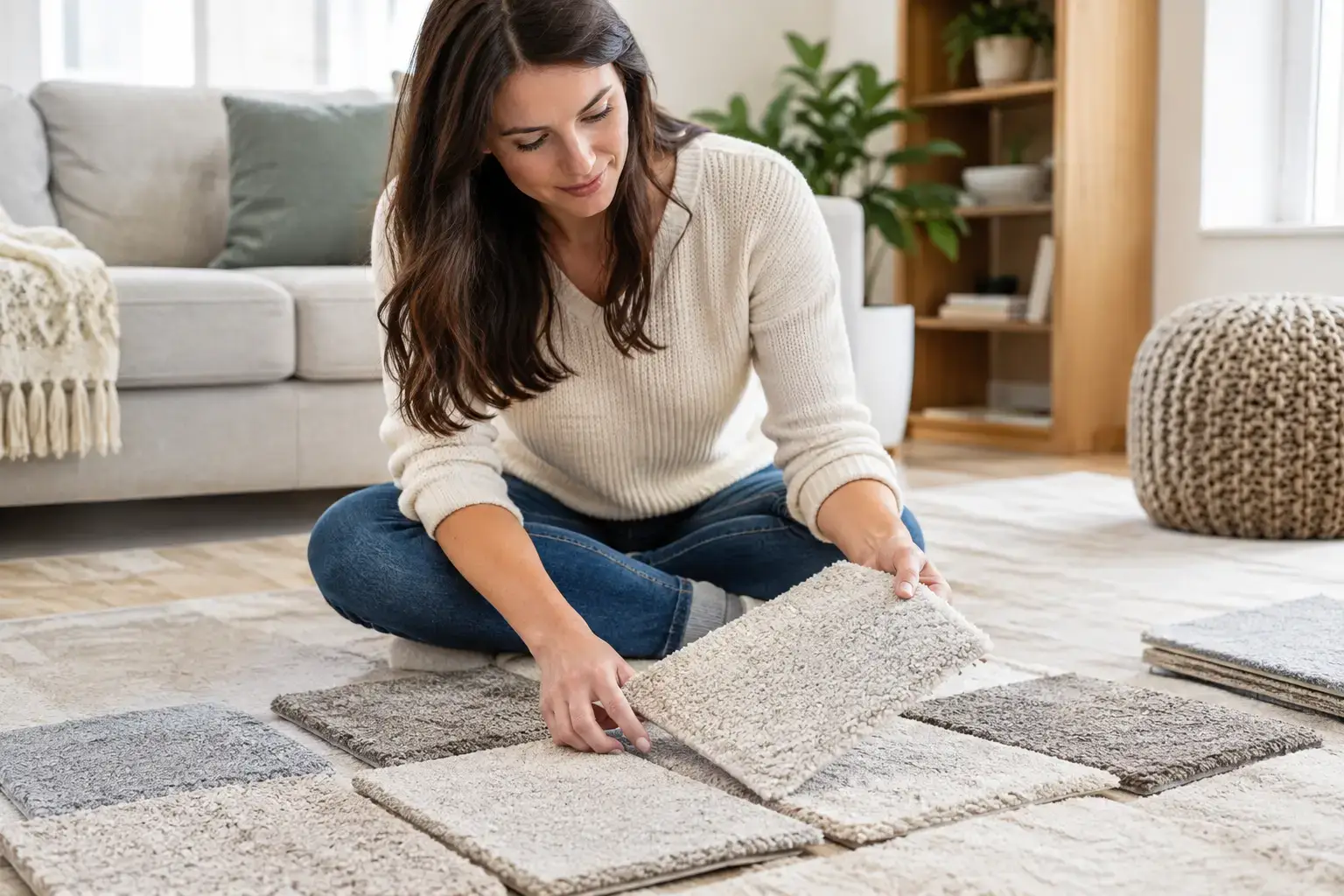
A carpet sample can look completely different on your living-room floor at 8am than it did under bright showroom lights. That is why knowing how to compare carpet samples in your own home makes such a difference. You are not simply choosing a shade from a small square - you are choosing the surface your household will see, walk on and live with every day.
The good news is that you do not need to be a flooring expert to make a confident choice. Give yourself a little time, look at samples in the right places and pay attention to how they work with your room rather than in isolation. A cosy, practical floor starts with seeing the real options where they will actually be fitted.
Start with the room, not the sample
It is tempting to hold two samples together and decide which one looks nicest. Instead, place each option in the room and ask what it needs to do there. A calm bedroom, a busy hallway and a family living room may all call for different things, even if you want your home to feel coordinated.
Think about the colour of your walls, sofa, curtains, woodwork and larger furniture. You do not need an exact match. In fact, matching everything too closely can make a room feel flat. The aim is for the carpet to sit comfortably alongside the colours already in the space.
A pale neutral carpet can make a smaller room feel lighter and more open, while a deeper tone can add warmth and definition to a larger room. Mid-tones are often forgiving in busy areas because they are less likely to show every small mark or bit of fluff. There is no single best choice - it depends on the room, your household and how much day-to-day upkeep you are happy with.
How to compare carpet samples in changing light
Light changes colour more than most people expect. A warm beige may look soft and inviting in afternoon sun, then appear cooler under evening lamps. Before making a decision, leave your shortlisted samples in the room for at least a full day.
Move them around rather than leaving them in one sunny spot. Put a sample near the window, beside the sofa, close to a doorway and in any darker corner. This gives you a much more honest picture of what the finished floor will look like across the space.
Check the samples at a few useful moments:
- in natural morning light
- during the brightest part of the afternoon
- with your usual lamps switched on in the evening
- on a dull day, if possible
This is one of the biggest benefits of choosing samples at home. You can see whether a grey has a blue undertone, whether a cream looks too yellow beside your paintwork, or whether a darker shade makes a north-facing room feel heavier than you expected.
Look beyond colour: compare pile, texture and feel
Two carpets in a similar shade can feel worlds apart underfoot. Once you have narrowed down the colour, spend time touching and walking on the samples. Take off your shoes if that is how you normally use the room. It may sound simple, but it is the quickest way to work out what feels right for your home.
A Saxony carpet has a soft, plush appearance and a luxurious feel, making it a popular choice for bedrooms and quieter living spaces. Its longer pile can show footprints and vacuum marks, which some people love because it gives that fresh, cared-for look. Others prefer something more consistent in appearance.
Twist carpets are a practical all-round option. Their twisted fibres create a more textured surface that tends to disguise everyday wear well, so they can work brilliantly in family rooms, stairs and landings. Loop carpets bring a more natural, structured finish, but they are worth discussing carefully if you have pets with claws, as loops can be more vulnerable to pulls.
Do not judge thickness alone. A softer or deeper pile can feel lovely, but the right carpet is about the balance between comfort, appearance and how the room is used. A professional can also explain the underlay options, as good underlay can make a noticeable difference to comfort, warmth and how well your new carpet performs over time.
Put samples next to the things that stay
Bring the sample close to the items you are not replacing. Hold it against the sofa fabric, place it by fitted furniture and compare it with your curtains or paint colour. If you are redecorating, a tester pot on the wall can be useful too.
Pay particular attention to tones. Warm shades often sit well with cream, beige, honey-coloured wood and earthy décor. Cooler greys can suit contemporary interiors, but some can look stark if the rest of the room is warm. Greige, taupe and soft natural shades are popular because they can bridge both warm and cool elements without taking over the room.
If you are choosing carpet for more than one room, lay the samples beside each other in the hallway or on the landing. They do not all need to be identical, but you will quickly see whether the combination feels connected. Often, choosing a practical, slightly deeper shade for stairs and hallways with a softer complementary carpet in bedrooms gives a home a considered feel without making every room look the same.
Test samples where life actually happens
A sample deserves more than a quick glance. Leave it down while you go about your day. Walk over it in socks and slippers. Notice whether it feels comfortable when you sit with your feet on the floor. If the room is used by children, pets or frequent visitors, be realistic about the traffic it gets.
Try viewing samples beside the doorway and in the route people naturally take through the room. These areas can show wear sooner than the centre of a bedroom. A light, plush carpet may still be the perfect choice, but it helps to make that choice with clear expectations rather than a surprise later.
For stairs, look at the carpet from both above and below. The pile direction, texture and shade can all affect how it appears on a slope. A sample that looks subtle when laid flat may show more contrast once fitted on steps. This is the kind of detail that is easier to spot with an experienced fitter on hand.
Compare the whole quote, not just the square-metre price
Price matters, and a clear starting price is helpful, but carpet is not only the material itself. When comparing options, check what is included in the quotation: measuring, underlay, grippers, fitting, door bars, uplift of existing flooring and any preparation needed before installation.
A cheaper carpet can become less of a saving if important fitting costs appear later. Equally, a slightly higher-priced option may be better value if it suits the room more closely and lasts well with your household's routine. Ask for the full picture in plain English, so you can decide without second-guessing.
At Cosy Carpets & Flooring, seeing samples during a free home visit means you can compare colour, texture and practical options where they matter most, then receive a straightforward quote for the job as a whole. It takes the pressure out of trying to remember what something looked like in a shop.
Give yourself permission to narrow it down
Too many options can make a decision harder, not easier. Start with several samples if you need to, then reduce them to two or three that genuinely work in the room. Once the obvious mismatches are gone, your preference usually becomes clearer.
If two choices still feel close, choose based on the feeling you want when you walk in. Do you want the room to feel brighter, warmer, calmer or more grounded? That simple question often settles the decision better than staring at tiny differences in shade.
Keep your final samples in place for one more evening, look at them when the room is being used normally, and trust what works in your own light, with your own furniture and your own life around it. The right carpet should not just look good on a sample board - it should make coming home feel a little cosier.