Kitchen Vinyl Guide: Choose a Floor That Lasts
Our kitchen vinyl guide helps Norfolk homes choose a practical, good-looking floor, with clear advice on styles, fitting and everyday cleaning, at home.
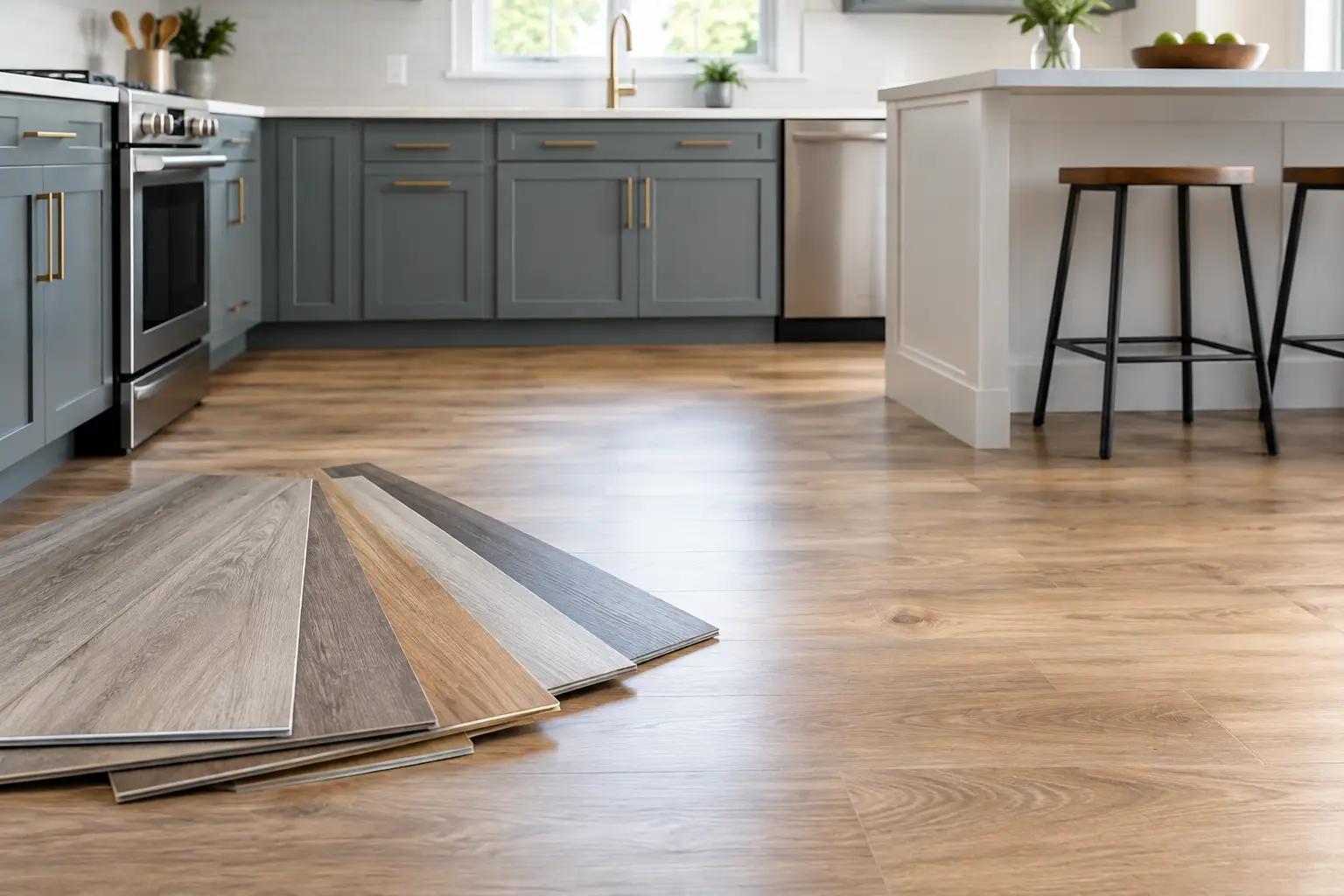
A kitchen floor has a tougher job than almost any other surface in the house. It deals with splashes by the sink, muddy shoes at the back door, dropped pans, chairs scraping back and the daily rush of family life. This kitchen vinyl guide is here to make choosing easier, so you can find a floor that looks right in your home and stays practical long after it is fitted.
Vinyl remains a favourite for Norfolk kitchens because it is comfortable underfoot, easy to clean and available in styles that create the look of timber, stone, tiles or contemporary concrete without the cold feel or high cost of some natural materials. The best choice is rarely just about the pattern. It is about how your kitchen is used, the condition of the floor beneath it and what will work with your cupboards, worktops and light.
Why vinyl works so well in kitchens
A good-quality kitchen vinyl floor is water-resistant, forgiving and pleasantly warm compared with ceramic tile. When somebody drops a glass or a heavy utensil, vinyl also has a little more give. That makes a real difference in a kitchen where you spend time cooking, unloading shopping or standing at the worktop.
It is also a sensible option when you want a fresh look without turning the room into a major building project. Sheet vinyl can cover a large area with very few joins, while modern designs can give you the character of plank flooring or stone-look tiles at a more manageable price point. At Cosy Carpets & Flooring, kitchen vinyl starts from £14.99 per m², helping households balance a practical finish with a clear budget.
Vinyl is not indestructible, though. Very sharp objects, poorly fitted appliances and constant dragging of furniture can mark any floor. Choosing a suitable quality and having it professionally fitted will help it earn its place in a busy home.
Kitchen vinyl guide: start with real life, not a sample photo
A pale oak-effect vinyl may look brilliant online, but how will it sit alongside your cream cabinets, dark worktop or north-facing window? Likewise, a dramatic slate design can be striking in a big, bright kitchen but may make a compact room feel busier than expected.
This is why viewing samples at home is so useful. Look at them by the window, under your ceiling lights and beside the units. See them in the morning and again in the evening if you can. Colours shift more than people expect, particularly with grey, beige and wood-effect finishes.
Think honestly about how the room works. A family kitchen with children, pets and a garden door needs a design that is easy-going about the occasional mark. A quiet galley kitchen may give you more freedom to choose a lighter, more detailed pattern. For a rental property, a versatile mid-tone design often makes good sense: it is appealing to most tenants and less likely to show everyday traffic than a very pale or very dark floor.
Choose a pattern that suits the room
Wood-effect vinyl brings warmth and works especially well with painted units, shaker kitchens and open-plan dining spaces. Wider planks can make a kitchen feel calmer and more spacious, while a natural oak or warm honey tone can soften cooler white and grey cabinetry.
Stone and tile-effect vinyl creates a cleaner, more architectural feel. Soft limestone, slate and concrete looks suit modern kitchens, though it is worth checking how strong the printed grout lines appear. In a small kitchen, oversized or highly contrasting tile patterns can feel fussy. A quieter design often gives you a more polished result.
For compact kitchens, lighter shades can help bounce available light around the room. That does not mean stark white is the only answer. Gentle warm grey, pale wood and sandy stone effects can all keep the space feeling open while being easier to live with.
Consider the flow from neighbouring rooms
If your kitchen opens straight into a hallway, utility or dining area, think about whether you want a clear change of flooring or a visual link between spaces. A wood-effect vinyl can create a relaxed, continuous feel, while a stone-effect finish can give the kitchen its own distinct character.
There is no single rule here. Matching every room exactly can sometimes make a home feel flat, while too many competing colours can make it feel disjointed. Bring a sample close to the threshold and view it alongside the adjacent flooring before making the call.
The floor underneath matters more than most people realise
Vinyl follows the surface beneath it. If the subfloor is uneven, cracked or has old adhesive residue, those imperfections may show through over time. A beautiful new vinyl fitted over a poor base will not perform as it should.
Before fitting, the existing floor needs assessing properly. In some kitchens, the surface may need smoothing or levelling first. In others, a suitable underlay or preparation method may be recommended depending on whether the base is concrete, timber or an existing floor covering. This can add to the cost and timescale, but it is not an optional extra invented to complicate the job. It is what gives the finished floor the smooth, long-lasting result you expect.
Door clearances, kickboards, appliances and thresholds should be considered too. A professional measure means these details are checked before you commit, rather than becoming last-minute surprises on fitting day.
What to look for when comparing kitchen vinyl
The right vinyl should feel like a practical match for your home, not just a bargain on a small cutting. Look for a finish intended for domestic use in kitchens and ask about the level of wear it is designed to handle. If your kitchen is the main entrance from the garden, it is worth choosing a more hard-wearing option than you might select for a lightly used utility room.
Texture is another useful detail. A lightly textured surface can make a stone or timber design look more convincing and can be more forgiving of small marks. Extremely deep texture, however, can collect grime more easily, so it may not suit every household. The best balance is usually a realistic look with a surface that remains straightforward to wipe clean.
Also consider the direction of the pattern. Plank designs often look best running along the length of the room or towards the main source of light, but the layout should work with the kitchen shape. In an awkward room with several doorways, a quick discussion during the measure can prevent a design choice from looking accidental.
Everyday cleaning without the fuss
One of vinyl's biggest advantages is that its care routine is simple. Sweep or vacuum loose grit regularly, especially around entrances, then clean with a well-wrung mop and a suitable mild floor cleaner. Wipe up spills promptly rather than letting them sit, particularly cooking oils and strongly coloured foods.
Avoid soaking the floor or using harsh abrasive products. They can leave a residue, dull the finish or work their way into joins over time. Felt pads under movable chairs and tables are a small, worthwhile precaution, and lifting furniture rather than dragging it helps prevent scuffs.
If you have a mat by an external door, keep it clean and dry so it catches grit before it reaches the vinyl. It is the tiny particles under shoes and chair legs, rather than normal mopping, that often cause unnecessary wear.
Make the choice easier with a home visit
Kitchen flooring can feel like a lot to organise when you are already planning cupboards, paint, appliances and trades. A home consultation takes away much of the guesswork. You can compare physical samples where they will actually live, get the room measured accurately and receive a clear quotation that reflects the preparation and fitting needed.
There is no need to travel between showrooms trying to remember which grey looked right with your worktop. Seeing options in your own kitchen is calmer, more accurate and far less likely to lead to second thoughts later. For homeowners and landlords across Norfolk, it is a straightforward way to buy easy and get cosy while the fitting is handled properly.
The right kitchen vinyl should make everyday life feel simpler: comfortable when you are cooking, forgiving when the family piles in and smart enough to make you pleased every time you walk through the door.