Natural Fibre Carpet Benefits for Norfolk Homes
Natural fibre carpet benefits include warmth, texture and lasting style. See whether wool, sisal, seagrass or coir suits your Norfolk home beautifully.
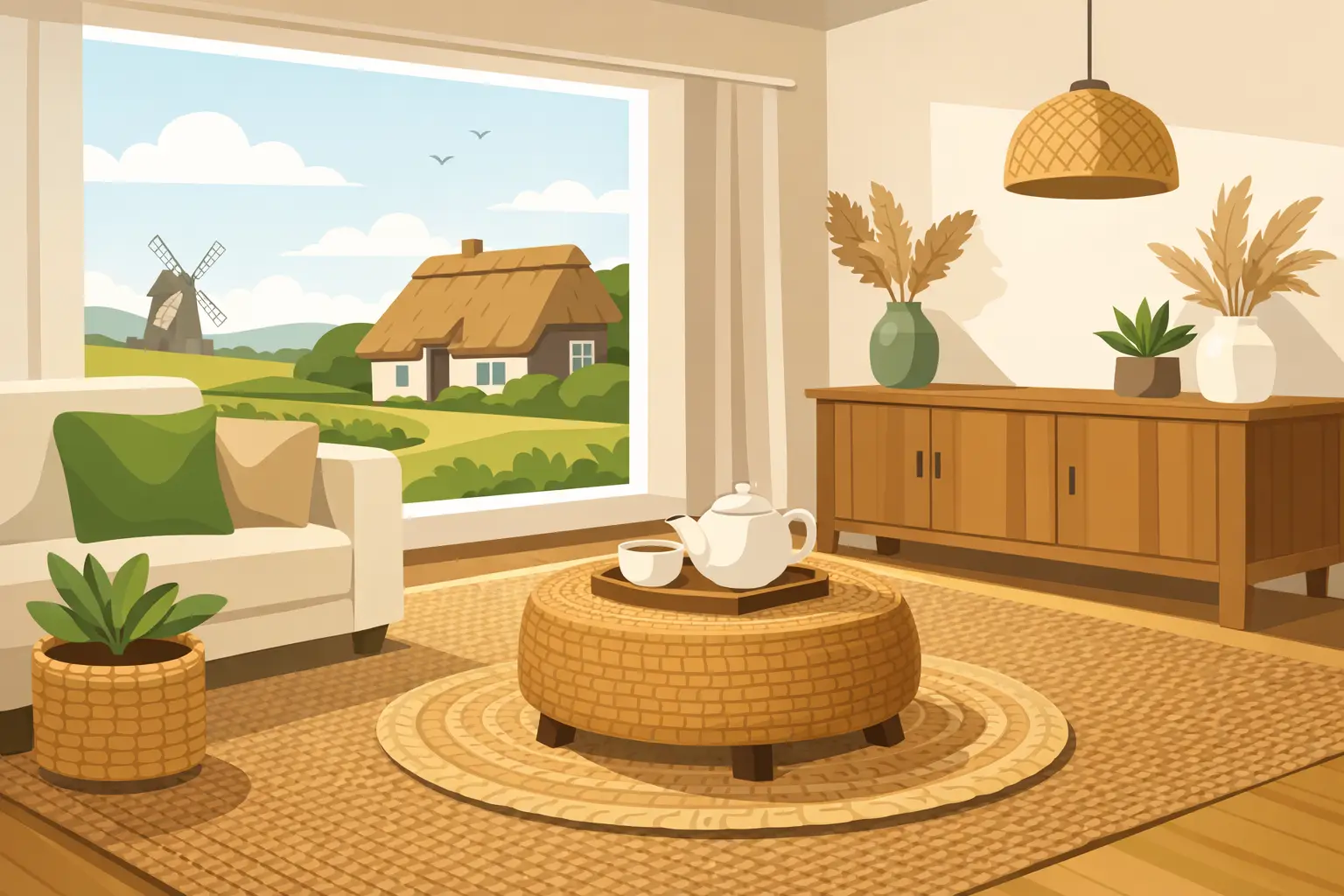
A pale sisal sample can look fresh and beautifully textured in a bright Norfolk sitting room, then feel completely different beside a charcoal sofa or in a shaded hallway. That is why natural fibre carpet benefits are best considered in the room where the flooring will live, rather than under harsh showroom lighting. These materials bring character that synthetic options often imitate, but they also have their own feel, fitting requirements and care needs.
For many homes, natural flooring is less about following a trend and more about creating a calm, settled backdrop. Whether you are refreshing one room or planning a wider renovation, the right fibre can add warmth, texture and a practical sense of permanence.
The natural fibre carpet benefits homeowners notice first
The most immediate difference is texture. Natural fibres have small variations in colour and weave, so the finished floor feels layered rather than flat. A woven sisal, seagrass or coir surface can make a simple room feel more considered, while wool brings a softer, more traditionally cosy finish underfoot.
Natural materials also work particularly well with the colours many Norfolk homeowners already have: painted woodwork, neutral walls, natural timber furniture and soft linen-style fabrics. They do not demand that everything else in the room matches perfectly. Instead, they give the space a grounded base that can suit country cottages, period homes and cleaner contemporary interiors alike.
There is a practical side too. Wool is naturally resilient and has a pleasing spring underfoot, which makes it a popular choice for living rooms and bedrooms. Plant-based fibres such as sisal and seagrass are firmer and more hard-wearing in feel, making them attractive for areas where you want a textured, tailored look.
Natural materials can be a thoughtful choice for customers who want to avoid an overly manufactured appearance. However, natural does not automatically mean maintenance-free, stain-proof or right for every household. Choosing well means balancing the look you love with how the room is actually used.
Which natural fibre suits each room?
Wool for softness and everyday comfort
Wool is often the easiest starting point when comfort is high on the list. It feels warm beneath bare feet, helps a room feel quieter and has a natural bounce that recovers well from regular use. A good wool carpet can be an excellent fit for bedrooms, lounges and stairs, particularly where you want a softer finish without losing durability.
It is also more forgiving in homes with changing temperatures, though it still needs sensible care. Spills should be dealt with promptly, and every wool range has its own cleaning guidance. If you have a busy household, choosing the right colour and pile style matters just as much as choosing wool itself. A lightly flecked or heathered tone can be more relaxed for daily life than a very pale plain shade.
Sisal for defined texture
Sisal has a crisp, woven appearance that gives rooms instant structure. It is made from agave plant fibres and is valued for its strength, making it a smart option for lounges, home offices and hallways where a firm, natural texture is part of the brief.
That same texture is the trade-off. Sisal is not as soft as wool, and it can feel coarse if you expect a sink-in carpet underfoot. It is also best kept away from areas that regularly get wet, as moisture can mark or affect natural plant fibres. In the right dry room, though, its clean lines and understated colour variation are hard to beat.
Seagrass for a relaxed, organic look
Seagrass has a naturally waxy surface and often comes in warmer golden or olive-toned shades. It brings an easy-going, coastal feel without looking themed, which can work especially well in light-filled rooms and homes close to the Norfolk coast.
It is naturally more resistant to everyday marks than some other plant fibres, but it is not a solution for every spill or damp area. Seagrass is generally better suited to dry living spaces than bathrooms, kitchens or utility rooms. Because its colour is created by nature rather than dye, some variation is part of its appeal.
Coir for bold character
Coir is made from coconut husk and is the most textured, rustic option of the group. Its warm brown tone and substantial weave can look brilliant in entrance areas and porches where you want a strong first impression.
Be realistic about feel, though. Coir is firm and can shed a little when new, so it is not usually the first choice for a bedroom or a room where softness is the priority. It is a material chosen for character and toughness, not a plush finish.
Think beyond colour before choosing a natural carpet
A natural fibre floor changes the mood of a room, so colour alone is not enough. Consider how it will sound when people walk across it, whether the weave will suit bare feet, and how light moves through the space at different times of day. A small sample can reveal the pattern, but seeing a larger piece against your walls, furniture and curtains gives a far more useful picture.
Room use should lead the decision. A quiet adult bedroom can take a softer, more delicate wool loop than a family landing. A hallway may suit a dense, textured weave, but only if everyone is happy with the firmer feel and prepared to manage muddy shoes quickly. For a home with pets, children or frequent visitors, ask about the specific range, backing and cleaning advice rather than assuming every natural fibre behaves the same way.
Sunlight is another consideration. Natural materials may mellow over time, and that gentle change can add to their charm. If your room gets strong direct sun, it is worth discussing placement of furniture and expectations around natural colour variation before fitting.
Fitting matters as much as the fibre
Natural flooring deserves careful measuring and preparation. Some woven materials need pattern matching, thoughtful joins and suitable edging to look their best. The condition of the subfloor, the choice of underlay and the layout of the room all affect the finished result.
This is where an in-home visit is genuinely useful. Rather than carrying measurements between different suppliers or trying to judge samples from memory, you can see options in the actual room, talk through practical concerns and receive a clear quotation for supply and fitting. At Cosy Carpets & Flooring, that conversation happens at home, where decisions tend to be easier and much more confident.
If you are considering underfloor heating, do not rule natural fibres in or out without checking the product details. Wool can work well with many systems when installed correctly, while plant-fibre ranges vary. The combined thermal resistance of the carpet and underlay needs to suit the heating system, so this is a detail worth confirming before you fall in love with a particular weave.
Caring for natural flooring without overcomplicating it
Regular vacuuming is the simplest way to keep natural carpet looking good, especially in busy areas where grit can work into the surface. Use the setting recommended for your carpet type, as aggressive brush action is not suitable for every weave. Deal with spills quickly by blotting rather than rubbing, and always follow the manufacturer’s care instructions.
Plant fibres need a little more caution around water than synthetic flooring. Avoid soaking the area or reaching for strong household cleaners without checking they are suitable. For wool, professional cleaning at appropriate intervals can help maintain its appearance, but the right method depends on the construction and any treatment applied to the carpet.
The goal is not to keep a natural floor looking factory-new forever. Part of its appeal is that it develops a lived-in character. Good care protects that character without fighting it.
Is a natural fibre carpet right for your home?
It depends on what you want the room to do. If you need maximum stain resistance for a high-splash kitchen or a very busy family entrance, vinyl or LVT may be the more practical answer. If you want a bedroom to feel warmer and softer, wool may be ideal. If your priority is architectural texture in a dry lounge or hallway, sisal, seagrass or coir could bring exactly the right finish.
The best next step is to compare samples where they will actually be used. Hold them beside your sofa, look at them in morning and evening light, and walk on them in bare feet as well as shoes. A flooring choice should feel right for your everyday life, not just look good for the first five minutes.