How to Clean Vinyl Flooring Without Damage
Learn how to clean vinyl flooring safely, tackle everyday marks and keep kitchen, hallway and bathroom floors fresh for longer with simple care at home.
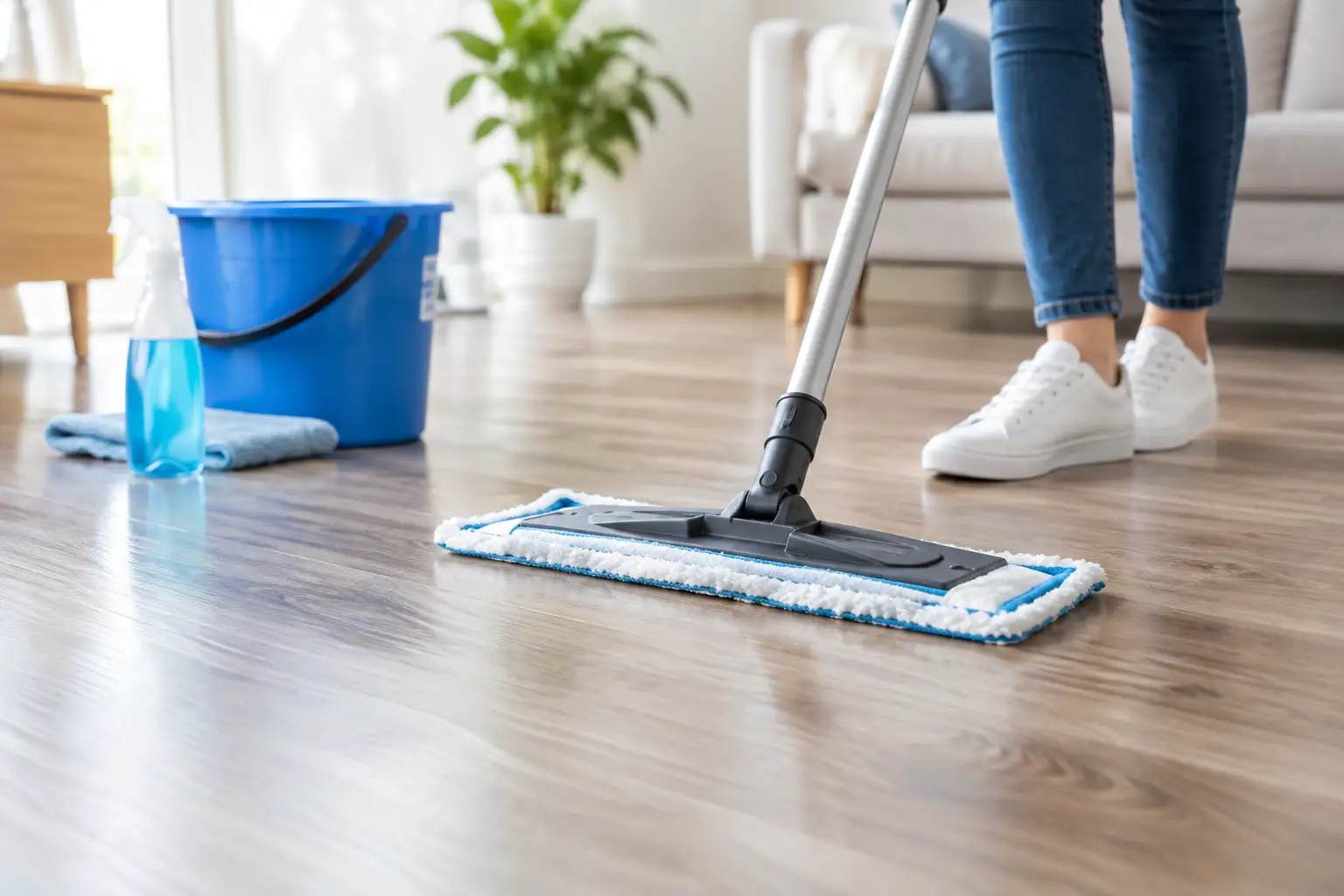
A vinyl floor earns its keep in the busiest parts of the home. It deals with muddy shoes by the door, splashes in the kitchen and the daily bustle of family life, then still needs to look clean and welcoming. The good news is that learning how to clean vinyl flooring does not call for a cupboard full of specialist products. Gentle, regular care is usually all it takes.
The main thing to remember is this: vinyl is tough, but its protective surface can lose its finish if it is scrubbed too hard or left soaking wet. A little care goes much further than a powerful cleaner.
How to clean vinyl flooring day to day
Start by removing loose grit, dust and crumbs. A soft broom, microfibre mop or vacuum with a hard-floor setting will do the job. This small step matters more than it may seem, particularly in hallways and kitchens. Tiny particles can act like sandpaper underfoot, gradually dulling the surface where people walk most often.
For routine washing, use warm water and a small amount of mild washing-up liquid. Your mop should be damp rather than dripping. Vinyl does not need a soaking, and excess water can work its way into joins, around the edges of the room or beneath poorly sealed areas.
Work in manageable sections, rinsing the mop as it picks up dirt. Once you have cleaned the floor, go over it with clean water if you have used more than a tiny amount of detergent. This prevents a soapy film building up, which can leave the floor looking cloudy and make it feel less secure underfoot.
Finish by allowing the room to air dry. If you want to speed things along, wipe the floor with a clean, dry microfibre cloth. There is no need for heat or aggressive drying methods.
What you need for a safe clean
Most homes only need a few simple cleaning essentials. Keep a soft brush or vacuum for dry dirt, a bucket of warm water, a microfibre mop and a mild, pH-neutral floor cleaner or a small amount of washing-up liquid.
If you are using a shop-bought vinyl cleaner for the first time, always check the bottle and test it in an unobtrusive corner. Vinyl flooring comes in different constructions and finishes, so the product maker's care advice should take priority where available.
Avoid using abrasive scouring pads, wire brushes or harsh powder cleaners. These can leave fine scratches that catch the light, especially on darker wood-effect or stone-effect vinyl. Steam mops are also best avoided unless your flooring manufacturer specifically says they are suitable. High heat and moisture can affect adhesive, seams and the finish over time.
Deal with spills before they become stains
Spills are much easier to lift when they are fresh. Blot liquids with kitchen roll or a soft cloth, then wipe the area with a damp cloth and mild cleaner. Do not rub hard, as vigorous rubbing can spread a stain or wear at the surface.
For everyday food marks, grease or sticky patches, warm water with a little washing-up liquid is normally enough. Give the area a moment to soften, then wipe gently and rinse with a clean damp cloth.
For tougher marks, such as pen, make-up or a scuff from shoes, use a vinyl-safe cleaner according to its instructions. Apply it to a cloth rather than pouring it directly onto the floor. This gives you more control and stops cleaner collecting along edges or joins. Test first, especially if your vinyl has a matt or textured finish.
If a mark will not shift, resist the temptation to reach for bleach, solvent, nail varnish remover or strong degreasers. They may remove the mark, but they can also strip colour, damage the wear layer or leave a permanently patchy sheen. When in doubt, take a photo and ask the flooring supplier for product-specific advice.
Keep high-traffic areas looking fresher
The areas around the front door, kitchen units and dining table generally need more attention than a quiet spare room. A quick dry clean two or three times a week stops grit building up, while a damp mop whenever the floor looks marked will keep it looking its best.
Furniture is another consideration. Fit smooth protective pads to chair and table legs, and lift rather than drag heavier pieces where possible. This is particularly useful when rearranging a room or moving furniture back after decorating. A scrape may look minor at first, but it can become more noticeable as dirt settles into it.
Take care with rubber-backed household items too. Some rubber materials can react with vinyl and leave discolouration if they sit in one place for a long time. If you are unsure, check the manufacturer's guidance for both the flooring and the item placed on top of it.
Strong sunlight can also alter the appearance of flooring over a long period. In bright south-facing rooms, blinds or curtains during the hottest part of the day can help protect your vinyl's colour and keep the room more comfortable at the same time.
A deeper clean when the floor needs it
Even a well-kept vinyl floor can start to look a little tired after a busy season, a family gathering or a spell of wet weather. When a normal mop is not quite enough, give it a careful deeper clean rather than using something harsher.
First, sweep or vacuum thoroughly, paying attention to corners and along skirting boards. Then use a vinyl-safe cleaner diluted exactly as directed. Mop the floor in sections with a well-wrung microfibre mop, changing the water if it becomes cloudy. Dirty water simply moves grime around, so this is worth doing.
Rinse lightly with clean water if the cleaner requires it, then dry the floor naturally or with a clean cloth. You should see a clean, even finish without stickiness or streaking. If the surface still looks dull after cleaning, it may be residue from previous products rather than dirt. A gentle rinse with clean water can often make a surprising difference.
Vinyl flooring care depends on the type
Not all vinyl flooring is the same. Sheet vinyl is commonly fitted in kitchens, bathrooms and utility spaces, where its practical, water-resistant surface is a real bonus. Luxury vinyl tile, often known as LVT, is made in individual planks or tiles and can closely recreate the look of timber or stone.
Both benefit from gentle cleaning, but seams and edges deserve a little extra care. Do not flood sheet vinyl, particularly around the perimeter of the room. With LVT, avoid leaving standing water around the joins. A damp mop is ideal for both, but a very wet mop is not.
Textured finishes may hold onto dirt more readily than a smooth surface. In that case, a soft brush used gently with a suitable cleaner can help lift grime from the texture. Do not scrub forcefully - patience and repeated light passes are kinder to the floor.
When cleaning is not the real issue
Sometimes a floor looks worn because it is worn, not because it is dirty. Deep scratches, lifting edges, cracks, permanent staining or a surface that feels uneven are signs that cleaning alone will not solve the problem. The same applies if water is getting beneath the flooring or if the floor has started to feel loose underfoot.
That is a good point to get advice before the issue grows. At Cosy Carpets & Flooring, we see how a properly chosen and fitted vinyl floor makes everyday cleaning much simpler, especially when samples have been viewed in the actual room and chosen for the way the household lives.
A clean vinyl floor should feel like one less job to worry about, not another complicated household project. Keep the routine gentle, deal with spills promptly and use products made for the surface in front of you. Your floor will stay fresher for longer, leaving more time to enjoy the home around it.