How to Prepare for Fitting Your New Flooring
Learn how to prepare for fitting your new carpet, vinyl or LVT, with simple steps that help your Norfolk flooring installation go smoothly without fuss.
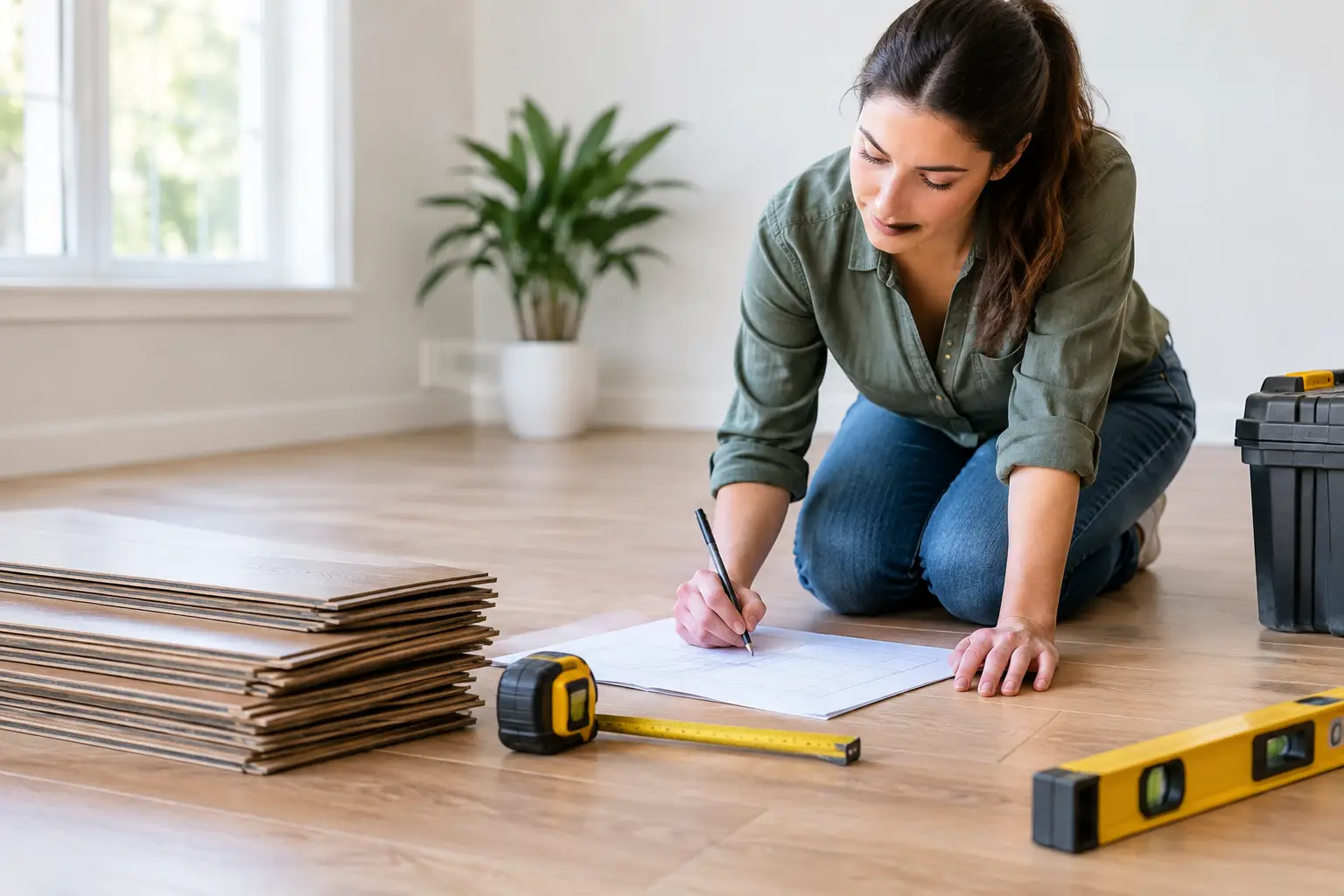
The day your new flooring is fitted should feel exciting, not like a last-minute scramble to move furniture and find somewhere for the dog. A little preparation makes a real difference: it gives your fitter clear space to work, helps protect your belongings and keeps the installation moving as planned. If you are wondering how to prepare for fitting, start with the room itself, then think through access, furniture and the small household details that are easy to overlook.
At Cosy Carpets & Flooring, we bring samples and advice to your home because flooring decisions make more sense in the room where they will live. The same principle applies on fitting day. A clear, well-prepared space helps us give your chosen carpet, vinyl or LVT the professional finish it deserves.
How to prepare for fitting before the day
Once your fitting date is confirmed, take a few minutes to check what has been agreed in your quotation. This is the best time to clarify whether old flooring is being lifted, whether furniture moving has been included and whether doors may need adjusting. Every home is different, and a quick conversation beforehand prevents assumptions on the day.
It is also worth checking the room measurements one final time if you have bought new furniture since the home visit. A large wardrobe, kitchen appliance or newly fitted unit can affect access and the area available to fit. Let your fitter know early rather than hoping it will not matter.
Try to make arrangements for children and pets, too. Fitting involves tools, materials, open doorways and plenty of movement in and out of the house. Keeping little ones and pets safely out of the work area is kinder for them and safer for everyone.
Empty the room where possible
The simplest route to a smooth fitting is an empty room. Move freestanding furniture, ornaments, lamps, plants and smaller items out before the fitter arrives. Do not forget drawers, shelves and cupboards that may need to be moved - emptying them first makes them lighter and protects what is inside.
For bedrooms, clear beneath the bed as well as the top of it. For living rooms, remove side tables, media units and loose accessories. In a hallway, make sure coats, shoes, buggies and anything stored near the entrance are out of the way. It might feel like a lot the evening before, but it gives the fitting team the space to work carefully rather than working around obstacles.
Heavy or awkward items need a sensible plan. Pianos, large display cabinets, waterbeds and fitted furniture may need specialist handling or may need to stay in place. Tell your flooring retailer about these items well before fitting day so they can advise what is possible. Never expect a fitter to move something that is unsafe, particularly if it could damage your home or cause an injury.
Prepare the floor beneath your old covering
Your new floor is only as good as the surface beneath it. You do not need to become a flooring expert, but you can help by making sure the subfloor is accessible, dry and free from obvious problems.
If old flooring is being removed as part of the agreed service, leave it as it is unless you have been advised otherwise. Pulling it up yourself can reveal unexpected issues, leave sharp fixings behind or create extra work if it has not been removed fully. If you are removing it yourself, do so in good time, then lift out loose staples, tacks and debris carefully. Let the fitter know if you find cracked boards, damp patches, loose tiles or uneven areas.
For carpet fitting, floorboards should be secure and reasonably level. Squeaks are worth mentioning, particularly if they are in busy areas of the room. For vinyl and LVT, the surface needs closer attention because small bumps, joins and imperfections can show through over time. Your fitter may recommend preparation work such as smoothing compound or plywood, depending on the existing floor and the product you have chosen. This is not an unnecessary extra - it is what helps hard flooring look neat and last well.
Do not wash the floor immediately before the fitting team arrives. A clean, dry surface is helpful; a damp one can hold up preparation and adhesive work. If you have had a leak, recent plastering, decorating or building work, say so. Floors and walls need adequate time to dry before new flooring goes down.
Check doors, skirting and thresholds
New flooring can change the finished floor height, especially if you are replacing a thin covering with carpet and underlay or fitting LVT over a prepared subfloor. Doors may need trimming so they open freely afterwards. Discuss this in advance if you are unsure, as door adjustments are not always included in a standard fitting service.
Thresholds between rooms deserve a look too. These finishing details help different floor surfaces meet cleanly and safely. If you are having new flooring across several rooms, tell the fitter where you would like changes in direction or different materials to meet. They can recommend the most practical and tidy solution.
Make access easy for the fitting team
Flooring rolls, boxes of LVT, underlay and tools all need to get from the vehicle to the room. Clear a route from the entrance, through hallways and up staircases before the appointment. Move fragile pictures or ornaments from narrow routes where they could be knocked, and keep internal doors open where practical.
If parking is limited outside your home, reserve the closest suitable space if you can. In some Norfolk streets, particularly around busier parts of Norwich or older town centres, this can make a big difference. Let the fitter know about permits, restricted parking, narrow lanes, gated access or flights of stairs in advance.
A quick check of the weather is useful as well. On a wet day, a clear entrance and a place for outdoor shoes help keep mud away from freshly prepared floors. Your fitting team will take care, but good access gives them more time to focus on the installation rather than navigating clutter.
Plan around kitchens, appliances and electrics
Kitchens and utility areas need a little more thought than a bedroom. Decide in advance who will move freestanding appliances such as washing machines, fridge freezers and cookers, and make sure this matches what has been agreed. Appliances connected to gas, water or fixed plumbing should only be disconnected and reconnected by an appropriately qualified professional.
For fitted kitchens, flooring is usually installed up to the units rather than underneath them. This helps avoid problems if a unit needs replacing later and keeps the fitting method appropriate for the room. Your home consultation is the ideal time to talk through these details, especially when choosing vinyl or LVT for a busy kitchen.
Make sure the fitter can reach plug sockets if they need power for tools. Move chargers, extension leads and cables away from the floor, and identify any alarms or sensors close to the work area. If you have underfloor heating, tell the team before work starts. The correct product and fitting method matter, and the heating should normally be switched off for the period advised by your installer.
On the morning of your fitting
Give the room one final sweep for small items: curtain tiebacks that trail on the floor, doorstops, toys, cables and anything tucked under furniture. Close windows if rain is likely, but keep the home comfortably ventilated if your fitter asks, particularly where adhesives are being used.
Be available when the team arrives, even if only briefly. You can confirm the rooms, show them the access route and raise any questions before the work begins. It is helpful to agree where materials can be placed and whether there are parts of the home you would prefer the team not to use.
During fitting, avoid walking through the work area unless necessary. Some floors need time before furniture is returned, and adhesive-fitted products may need a longer settling period. Your fitter will explain the aftercare for your flooring, including when to move furniture back, when it can be cleaned and how to protect it during its first few days.
A well-prepared room is not about doing the fitter’s job for them. It is about giving your new flooring the calm, clear start it needs. Clear the space, flag up anything unusual and ask questions before the day. Then you can get cosy while the fitting is handled properly.