Why Twist Carpet for Stairs Works So Well
Twist carpet for stairs brings comfort, grip and hard-wearing style to a busy home. Learn what to choose before your free home flooring visit today.
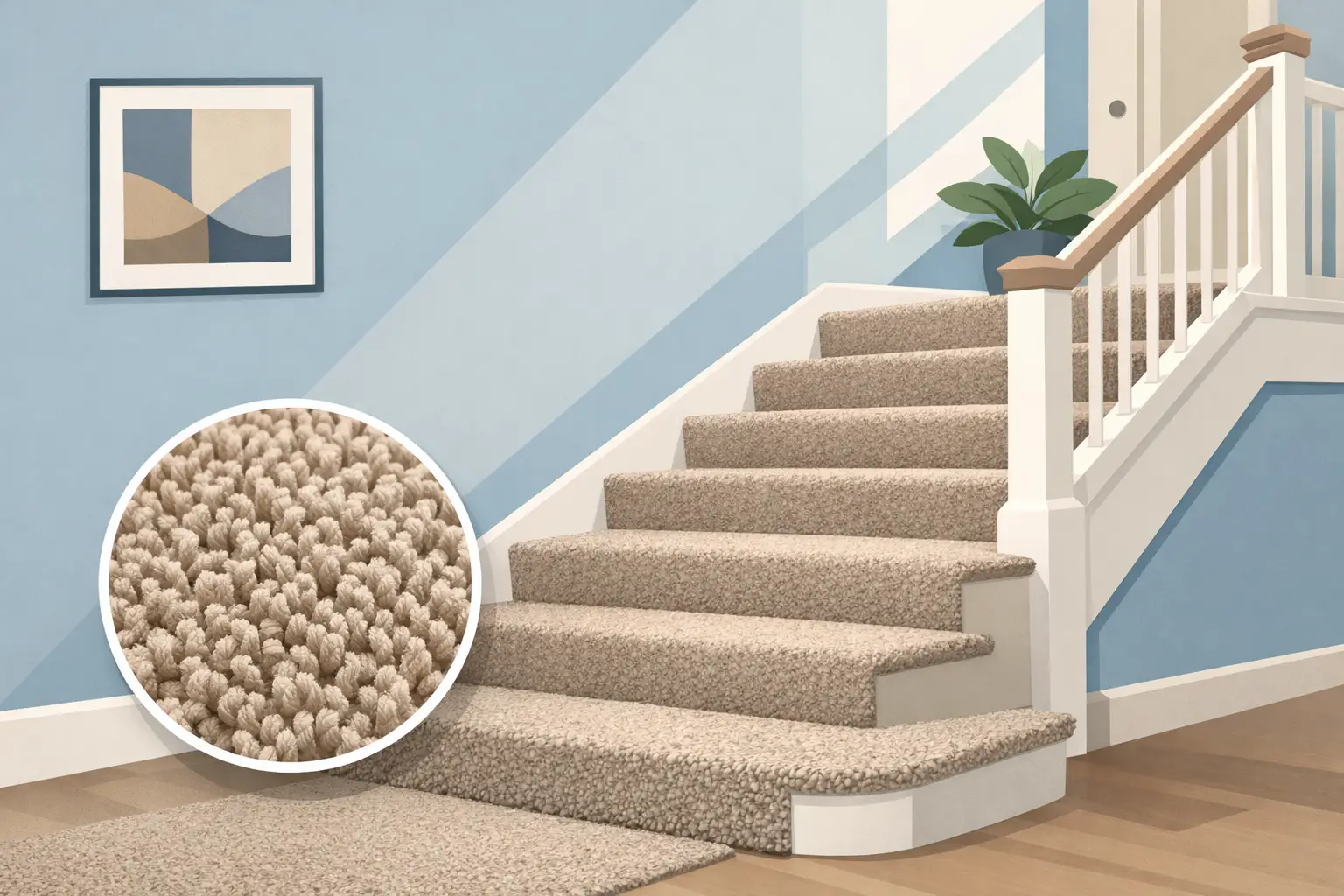
A staircase is one of the hardest-working parts of any home. It carries shoes, school bags, pets and the daily rush upstairs, so flooring needs to look good without showing every mark. That is exactly why twist carpet for stairs remains such a popular choice in Norfolk homes: it feels cosy underfoot, stands up well to regular use and has a smart, relaxed finish that suits both traditional and modern interiors.
Unlike a deep, silky pile that can show footprints or shading, twist carpet has a tighter, more textured surface. It is designed to be lived on. For busy family houses, rental properties or simply a hallway that sees plenty of coming and going, that practical difference can make choosing your new stair carpet much easier.
What makes twist carpet a good choice for stairs?
Twist carpet is made from yarn that has been tightly twisted before it is woven or tufted into the backing. This gives the pile a textured appearance and a firmer feel than many softer carpet styles. On stairs, where the carpet is constantly compressed by footsteps, that texture helps it keep a tidy, dependable look.
It is also forgiving. A twist pile tends to disguise light dust, vacuum lines and everyday traffic better than a very smooth or high-shine carpet. That does not mean it never needs cleaning, but it can be a reassuring choice if you do not want to feel as though you are constantly checking every stair for marks.
Comfort matters too. Stairs can feel cold and noisy with a hard surface, especially in older homes. A well-chosen twist carpet, fitted with suitable underlay, softens the sound of footsteps and brings warmth to the route between floors. It makes the home feel calmer from the moment you walk through the door.
Choosing the right twist carpet for stairs
Not all twist carpets are the same, and the best option depends on how your household uses the space. The first question is whether the staircase is a main route through a busy family home or a quieter part of the property. A heavily used hallway and stairway generally benefits from a denser, more hard-wearing pile, while a less-used staircase may give you more freedom to choose a softer feel or lighter shade.
Fibre matters, but so does real life
Many homeowners choose polypropylene twist carpet because it offers excellent value and is easy to care for. It is a practical option for homes with children, pets or regular muddy shoes, particularly when paired with a mid-tone colour that is not too pale. Modern polypropylene can still feel pleasantly soft, so choosing a practical fibre does not mean settling for something that feels basic.
Wool-rich twist carpet is another excellent choice. It brings natural warmth, a more traditional feel and attractive colour depth. Wool can be especially lovely on stairs in period homes or rooms where you want a more refined finish. It does, however, suit owners who are happy to follow the recommended cleaning guidance and allow for a higher initial cost.
There is no one right answer. The most sensible choice is the carpet that fits your household, your budget and the way you want the space to feel every day.
Look beyond the colour card
A carpet sample can look completely different in a shop from how it looks at home. Stairways often have changing light, with a bright landing at one end and a shaded hallway at the other. Wall colours, woodwork, front-door light and the flooring below can all alter how a shade appears.
That is why seeing samples in place is so useful. A warm grey may look perfect against one hallway paint colour but cooler than expected beside another. A beige or oatmeal twist can create a lovely soft look, yet may need a little more thought if your household has a busy garden entrance. Bringing a selection into your own home lets you compare tones properly, without showroom guesswork.
Think about texture and pile density
A tighter, denser twist will usually be the better bet for a hardworking staircase. It gives a more substantial feel and is better placed to cope with repeated pressure on the front edge of each step. This is often known as the stair nosing, and it is where wear becomes noticeable first.
A softer twist can feel wonderfully comfortable, but check that it is suitable for stairs before making a final decision. The carpet specification and the fitting method both matter. A professional will be able to talk through which ranges are designed for heavier domestic use, in plain English rather than flooring jargon.
The best colours for a busy staircase
Mid-tones are often the easiest option for stairs. Greys, taupes, muted browns and heathered neutrals can all hide the day-to-day evidence of a busy household better than very pale cream or near-black carpet. A flecked or mixed shade is particularly useful because the variation in the yarn naturally makes small marks less obvious.
That said, practical does not have to mean dull. Soft sage-grey, warm stone, denim blue and deeper charcoal twists can bring character to a hall without becoming difficult to live with. If your walls and landing are fairly neutral, the stairs can be a confident but comfortable source of colour.
Try not to choose solely based on what is fashionable in a photograph. The right shade should work with your skirting boards, bannister, hallway flooring and the light you have at different times of day. A sample placed on a stair tread tells you far more than a thumbnail on a screen.
Underlay and fitting make a real difference
Even the best twist carpet will not perform at its best without suitable underlay and careful fitting. Underlay adds cushioning, insulation and support beneath the pile, helping the carpet feel more comfortable while reducing the strain caused by repeated footfall. It can also help soften stair noise - a welcome benefit when early risers and late nights are part of family life.
Stair fitting needs particular attention because each tread and riser must be measured, stretched and secured correctly. A loose edge or poorly aligned join is not only frustrating to look at; it can become a safety concern. Patterned carpets need even more precision, as the design must sit neatly from one step to the next.
A good fitter will also advise on the finish around the landing, doorways and any change in flooring. These details are easy to overlook when choosing carpet, but they are what make the whole space feel properly finished rather than simply covered.
Should you choose a stair runner instead?
A runner leaves the edges of the staircase visible, usually showing painted or stained wood along each side. It can look striking, especially in a character property, and twist carpet can work beautifully in this style. However, a runner does not suit every staircase or every household.
Fully fitted twist carpet gives more coverage, more softness and often better value where the existing stair edges are worn or unfinished. It is also a straightforward choice for homes where comfort and noise reduction come first. A runner may be worth considering if you love the look of exposed timber and are prepared for the extra preparation and finishing involved.
The important thing is to assess the actual staircase, not just the style you have seen elsewhere. Width, shape, landing layout and the condition of the timber all affect the result.
Getting your stairs ready for new carpet
Before fitting day, clear shoes, coats and any items stored on the stairs or landing. If possible, move small furniture from nearby areas so your fitter has clear access. It is also helpful to decide where children and pets will be while the work is underway, as the stairs will be unavailable for part of the day.
There is no need to worry about working out measurements alone. A home visit allows the staircase, landing and adjoining areas to be measured accurately, with advice on the amount of carpet, underlay and any finishing details needed. You can compare samples against your décor, receive a clear quotation and make the decision at your own pace.
For a staircase that needs to feel welcoming, work hard and stay looking smart, twist carpet is a wonderfully sensible place to start. Let Cosy Carpets & Flooring bring the samples to you, so you can choose the colour and feel that makes every trip upstairs a little more cosy.