Why Carpets Ripple and What to Do About It
Wondering why carpets ripple? Learn the common causes, when ripples need urgent attention and how expert refitting can restore a smooth finish at home.
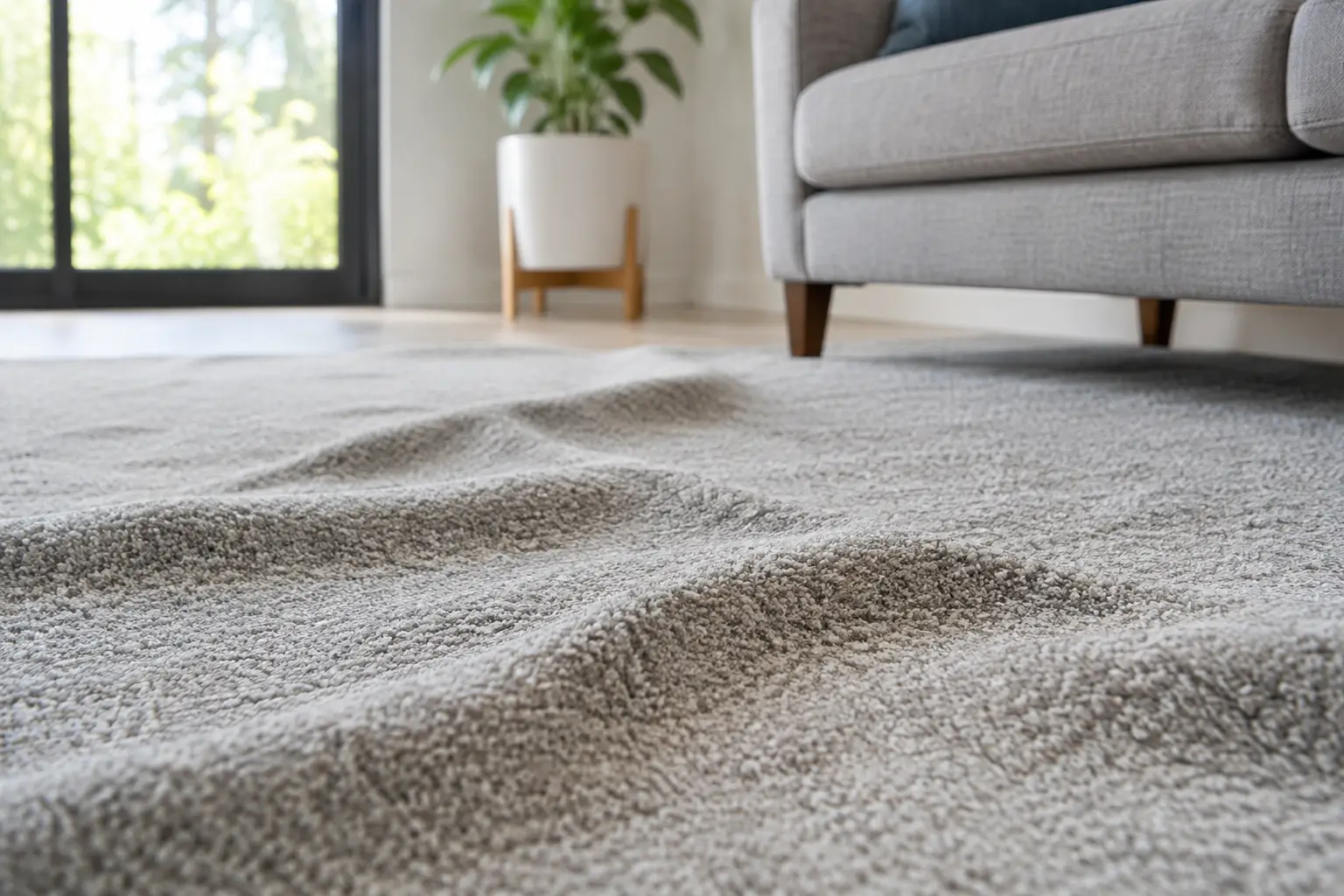
A carpet should sit smooth, secure and comfortable underfoot. So when waves, raised lines or loose-looking areas start appearing, it is natural to wonder why carpets ripple and whether the problem will get worse. The short answer is that ripples usually mean the carpet has lost tension - and while the cause is not always serious, it is worth sorting sooner rather than later.
A rippled carpet can become a trip hazard, wear unevenly and make an otherwise tidy room feel unfinished. The good news is that many cases can be corrected with professional refitting, without replacing the whole carpet.
Why do carpets ripple?
Carpet rippling is often called buckling. It happens when there is more carpet than the room can hold tightly, so the surface lifts into ridges or bubbles. Properly fitted carpet is stretched firmly across the room and secured around the edges. When that tension reduces, the carpet has somewhere to move.
This can develop gradually over months or years, or become obvious after a change in temperature, humidity or furniture layout. A room may look perfectly fine one week, then show several noticeable ripples after a warm spell or after heavy furniture has been moved.
The reason matters because the right fix depends on what has caused the carpet to loosen. A professional fitter can usually assess this quickly and tell you whether a re-stretch is likely to solve it.
The carpet was not stretched tightly enough at fitting
This is one of the most common reasons. Carpet needs to be fitted using the right stretching equipment, not simply pulled into place by hand. If it was left even slightly loose at installation, everyday foot traffic can slowly shift the pile and backing until ripples form.
It may take a while for the issue to show, which can make it feel as though the carpet has suddenly failed. In reality, the carpet may have had insufficient tension from day one. This is particularly common in larger rooms, hallways and areas where people regularly walk the same route.
A proper power stretch can often put this right. The fitter will release the carpet at the edge, stretch it evenly, trim any excess if needed and secure it again. It is a job that needs care: stretching only one side or pulling too hard can distort the carpet or create fresh tension problems elsewhere.
Changes in warmth and humidity
Carpet fibres and backing can react to changes in the air, particularly in rooms that become warm and humid. During summer, after decorating, or when drying washing indoors, the backing can expand slightly. If the carpet was already a little loose, this expansion can be enough to create visible waves.
Norfolk homes can see plenty of seasonal changes, from chilly winter mornings to warm, closed-up rooms in summer. This does not mean a carpet should ripple every time the weather changes. It simply means temperature and moisture can expose an underlying fitting issue.
Try to keep the room well ventilated and avoid dramatic swings in heat where possible. If the ripples remain once the room is back to normal, arrange for a fitter to inspect them rather than waiting for them to flatten by themselves.
Heavy furniture has been moved
Moving a sofa, wardrobe, bed or dining table can reveal ripples that were already developing. It can also drag a loose carpet slightly, especially if furniture is pushed rather than lifted. Even a small movement can change how tension is distributed across the room.
This does not necessarily mean the furniture has damaged the carpet. Often, it has simply removed the weight that was holding a loose area down. The same can happen after clearing a room for redecorating or when changing a room from a nursery to a home office.
When moving heavy items, use furniture sliders or ask for help lifting them. If you notice rippling afterwards, take a photo before replacing everything. It gives the fitter a clear view of the affected area and can help establish whether the problem is local or across the whole room.
The underlay is worn, unsuitable or poorly fitted
Underlay does much more than make a carpet feel softer. It supports the carpet, helps it sit evenly and reduces wear from everyday use. If the underlay has compressed badly, shifted or was not appropriate for the room, the carpet above can lose some of its support.
A worn underlay will not always cause ripples on its own, but it can make a loose-fitting problem more noticeable. Hallways, stairs and busy family living rooms are more likely to show the effects first because they take the most traffic.
When a carpet needs refitting, it is sensible to have the underlay checked at the same time. In some cases it can stay in place; in others, replacing it is the better long-term value. There is little point stretching a carpet beautifully over an underlay that is already breaking down.
Moisture has affected the carpet or subfloor
A spill that is dried promptly is unlikely to create widespread rippling. More serious moisture problems are different. A leak, flooding, persistent condensation or damp rising through the floor can affect the carpet backing, underlay and the subfloor underneath.
Look for other clues: a musty smell, damp patches, discolouration, lifting near the edges or a floor that feels unusually cold or soft. If these are present, do not rush straight into refitting. The source of moisture must be identified and fully resolved first, otherwise the problem may return and the carpet could suffer further damage.
In this situation, lifting a small section for inspection may be necessary. It is not the most convenient news, but it is far better than hiding a damp issue beneath a newly tightened carpet.
The carpet is ageing or the backing is deteriorating
Older carpet can eventually lose its shape, especially in well-used rooms. Over time, the backing may weaken, adhesives can degrade and repeated traffic can take its toll. A carpet that has been moved from another room or refitted after a house move may also have less material available for a fresh stretch.
This is where the answer can be less straightforward. A professional may be able to improve the appearance with a re-stretch, but they should also be honest about whether the backing is still sound enough to hold tension. If it is not, replacement may be the more sensible choice.
Can you fix carpet ripples yourself?
It is tempting to press the ripples flat, pull the carpet at a doorway or secure an edge more tightly. Unfortunately, these approaches rarely address the real cause. They can damage the backing, pull the carpet away from the gripper rods or leave an uneven edge that is difficult to correct later.
A carpet stretcher is specialised fitting equipment, and it is used with experience rather than force alone. For a small, recent ripple in an otherwise sound carpet, a professional re-stretch is normally the safest and most cost-effective option. For ripples caused by damp, damaged backing or a failing underlay, the remedy may involve more than tightening the carpet.
Avoid placing extra heavy furniture directly on a raised area to flatten it. That may disguise the issue for a while, but it can crush the pile and leave the carpet under uneven strain.
When should you arrange an inspection?
Book an inspection promptly if the ripples are growing, appear in a walkway, are close to a doorway or have developed soon after fitting. Newly fitted carpet should feel secure and smooth, so do not assume you need to live with waves while it “settles”. A little temporary flattening where furniture has stood is normal; raised ridges across an open floor are not.
It is also worth getting advice before redecorating, replacing furniture or putting a property on the rental market. A smooth, well-fitted carpet makes a room feel cared for, while a loose one can distract from everything else you have done to freshen the space.
At Cosy Carpets & Flooring, the focus is on making flooring decisions feel straightforward, whether you need help assessing an existing issue or are planning a replacement. Seeing the room, the light and the condition of the floor in person makes it much easier to recommend the practical next step.
A ripple is rarely something to panic about, but it is a useful signal that your carpet needs attention. Deal with it early, protect the floor beneath and you can get back to a room that feels smooth, safe and properly cosy underfoot.