How to Select Kitchen Vinyl That Works Hard
Learn how to select kitchen vinyl for busy Norfolk homes, balancing style, slip resistance, comfort, budget and professional fitting with ease today.
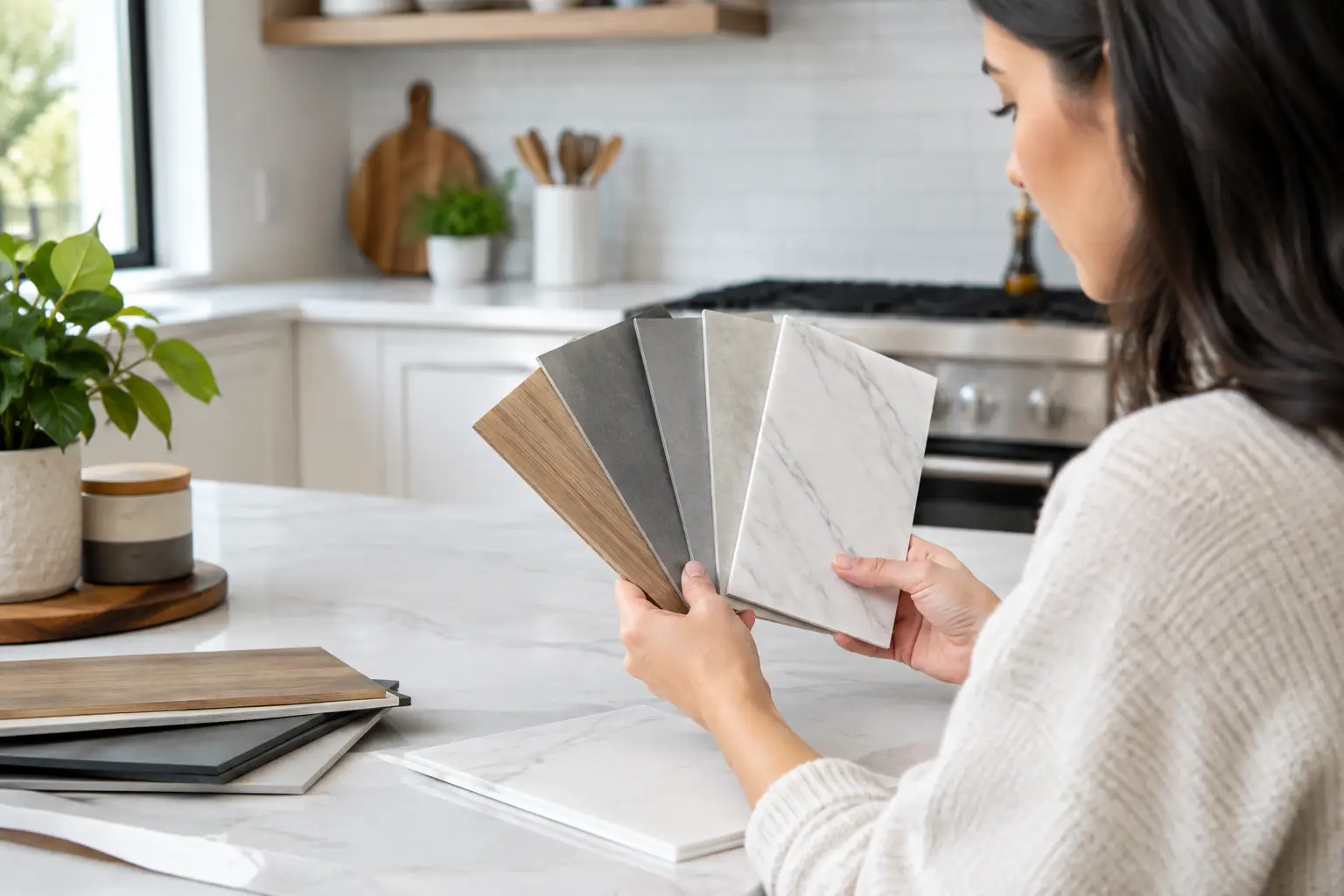
Your kitchen floor has a tougher job than almost any other surface in the house. It deals with muddy shoes, dropped pans, splashes by the sink, chairs moving in and out, and the odd hurried breakfast. Knowing how to select kitchen vinyl means choosing something that looks right with your cupboards and worktops, but also feels comfortable, cleans easily and stands up to real family life.
The good news is that modern vinyl is far removed from the basic options many people remember. There are convincing wood and stone effects, softer finishes underfoot and practical designs for every budget. The best choice is rarely about following a trend. It is about seeing what works in your own kitchen, under your own lighting, alongside the things you already love.
Start with how your kitchen is really used
Before falling for a particular colour or pattern, think about the daily demands on the room. A quiet kitchen used mainly for cooking will need something different from an open-plan family space where children, pets and visitors pass through all day.
If your kitchen leads straight to the garden, durability and easy cleaning should move high up the list. A mid-tone finish often disguises everyday marks better than very pale or very dark flooring. If you stand at the worktop for long periods, comfort matters too. Vinyl has a naturally warmer, softer feel than many hard surfaces, which can make a noticeable difference when you are preparing meals or clearing up after dinner.
For landlords, the priority is usually a practical, neutral floor that appeals to a range of tenants and is straightforward to maintain between lets. For a forever home, you may be happier investing in a design that ties the kitchen into an adjoining dining or living area. There is no single right answer - the best kitchen vinyl suits the way you live, not just the photograph you saved for inspiration.
How to select kitchen vinyl by material and quality
Not all vinyl flooring is made to the same standard, so it helps to look beyond the pattern. Sheet vinyl is a popular choice for kitchens because it can cover a large area with very few joins. Fewer joins can be particularly useful near sinks and appliances, where occasional spills are part of the deal.
The wear layer is the protective top surface that helps the floor cope with scuffs, chair movement and everyday traffic. In a busy kitchen, choosing a good-quality domestic vinyl with a stronger wear layer is usually money well spent. A low-cost option may suit a lightly used utility area or a short-term refresh, but a kitchen is not the place to compromise if you expect the floor to work hard for years.
Also ask about the backing. Cushioned vinyl can feel more forgiving underfoot and help soften sound, while thinner products may be better suited to certain floor heights or installation situations. Your existing subfloor plays a part here. A smooth, level base is essential for a smart finish, as vinyl can show bumps, joins and imperfections beneath it.
That is why professional measuring is more than a box-ticking visit. It gives you the chance to assess the room, discuss preparation honestly and avoid a surprise once fitting begins. A clear quote should explain what is included, from any subfloor work to fitting and finishing details.
Choose a look that suits the whole room
Kitchen vinyl can make a room feel calmer, lighter or more characterful, but scale matters. In a compact galley kitchen, a lighter wood effect or soft stone design can help the space feel more open. Larger kitchens can carry deeper tones and bolder patterns with more confidence, especially where there is plenty of natural light.
Wood-effect vinyl brings warmth without the upkeep concerns that can come with natural timber in a splash-prone room. It works especially well in open-plan homes where you want the kitchen to feel connected to the rest of the downstairs space. Look for plank details that feel believable in the room, rather than choosing an overly busy grain that competes with patterned worktops or cupboard fronts.
Stone-effect vinyl offers a clean, contemporary feel and can complement shaker kitchens, painted cabinetry and modern handleless units alike. Grey remains a practical choice, but it is worth looking at warmer greige, soft taupe and natural limestone-inspired shades too. These can feel less stark in Norfolk homes, particularly in kitchens with north-facing light.
Patterned vinyl can be a brilliant way to add personality, especially in a simple kitchen. The trade-off is that a strong design tends to become the focal point, so it works best when the rest of the scheme is relatively calm. If you are unsure, take a sample home and place it beside your cupboard doors, worktop, wall colour and dining furniture. What looks perfect in a showroom can read very differently in your own space.
Think about safety, cleaning and everyday comfort
Kitchen floors need to be easy-going. A wipe-clean surface is one of vinyl's biggest advantages, but texture and finish still deserve attention. A completely smooth, glossy floor can show water marks more readily and may feel less reassuring when wet. Many kitchen-friendly designs have a subtle texture that improves grip while still being simple to clean.
Ask about slip resistance if the kitchen is used by young children, older relatives or anyone less steady on their feet. It is not about making the room feel clinical. It is about choosing a surface that gives you confidence when life gets a little messy.
Colour also affects maintenance. Very pale vinyl can look fresh and airy, but it may reveal mud, food splashes and marks sooner. Very dark finishes can show dust, crumbs and streaks. Mid-tones with a little natural variation are often the most forgiving choice for busy households. They still look polished, without demanding constant attention.
Vinyl is generally easy to care for: sweep or vacuum with a suitable hard-floor setting, then clean with a damp mop and a manufacturer-approved cleaner. Avoid soaking the floor and be cautious with harsh chemicals. Simple habits, such as wiping spills promptly and using floor protectors under chair legs, help preserve the finish.
Get the practical details right before fitting
A lovely sample is only half the decision. Measure the full kitchen carefully, including alcoves, doorways and areas beneath removable appliances where appropriate. Think about floor height too, particularly if the new vinyl meets existing flooring in a hallway or dining space. Doors may need adjusting, and transitions between rooms should feel neat and safe rather than becoming a trip point.
It is also worth planning the direction and placement of the design. With wood-effect vinyl, the plank direction can influence how long or wide the room feels. With patterned styles, the fitter needs enough material to position the design attractively and allow for matching. Choosing solely by the room's square metre measurement can leave too little allowance for cuts, waste and a professional finish.
Fitting is where a kitchen floor earns its keep. The surface beneath must be sound, dry and properly prepared, while edges and joins need careful finishing around units, pipes and doorways. A rushed installation can spoil even a good vinyl, so it pays to have the whole job managed properly rather than treating fitting as an afterthought.
At Cosy Carpets & Flooring, bringing samples to your home makes this part much simpler. You can compare options in the actual room, get measured properly and receive a straightforward quote without showroom stress. That is how we roll.
Set a budget around value, not just the first price
Kitchen vinyl is one of the most cost-effective ways to transform the room, with options available from £14.99 per square metre. But the lowest product price is not always the best value once preparation, fitting and longevity are considered. A slightly better-quality vinyl that suits your household may last longer, stay looking smarter and save you the disruption of replacing it sooner.
When comparing quotes, check whether they cover the flooring, underlay or preparation where needed, fitting, trims and removal of old flooring if required. Transparent pricing makes it much easier to compare like for like. If spreading the cost would help, flexible payment options can make a more suitable choice feel manageable without cutting corners on the things that matter.
A sample in your kitchen tells the real story
Photographs are useful for ideas, but they cannot show how a floor will look beside your cabinets at eight in the morning or under warm lights in the evening. Samples can. Place them in different parts of the room, look at them next to your worktop and give yourself a moment to live with the choice before deciding.
The right kitchen vinyl should make the room feel more like yours while taking daily life in its stride. Choose a design you enjoy looking at, a quality suited to your household and a fitting service you can trust, then you can get cosy while someone else handles the hard part.