Carpet Underlay Buying Guide for Cosier Homes
Our carpet underlay buying guide helps Norfolk homes choose the right comfort, warmth and support before a professional carpet fitting.
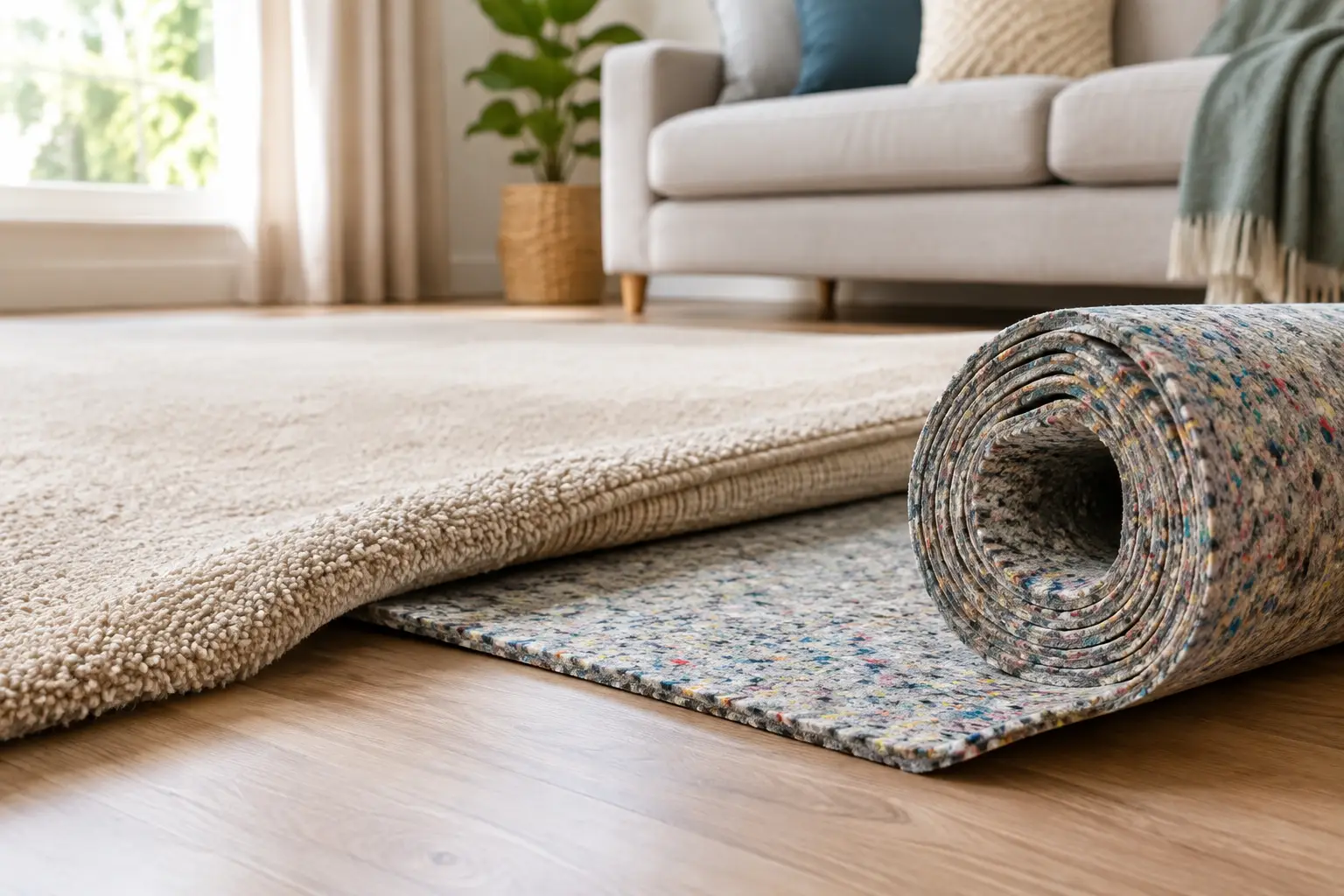
The carpet may be the part you see, but the underlay is what you feel every morning when your feet hit the floor. A good carpet underlay buying guide starts with that simple fact: it affects comfort, warmth, noise, wear and even how your new carpet looks over time. Choose it well and a room feels properly cosy. Choose it purely on price and you may notice the difference long before the carpet itself needs replacing.
For homeowners across Norfolk, underlay can seem like one more decision in an already busy project. It does not need to be. Once you know how the room is used, what sits beneath the floor and the feel you want underfoot, the right option becomes much clearer.
Why carpet underlay is worth thinking about
Underlay sits between your carpet and the subfloor. Its job is to cushion the carpet, support its backing and help it recover after being walked on. That protection can reduce flattening in busy areas and make even a practical carpet feel more comfortable.
It can also make a noticeable difference to warmth. If you have a cold ground-floor room, a draughty older property or a bedroom above an unheated space, the right underlay adds an extra insulating layer. It will not solve every heat-loss issue, but it can take the chill out of the floor and help the room feel more inviting.
Sound matters too. Underlay can soften the sound of footsteps within a room and reduce the noise travelling to the room below. This is particularly useful upstairs, in family homes with early risers, or in a flat where you want to be considerate of neighbours.
The key is not simply buying the thickest material available. Thickness, density and material all play a part, and the best choice depends on the space.
Start with the room, not the roll
A soft, deep underlay may sound ideal until you put it in a hard-working hallway. Equally, a firm underlay that performs brilliantly beneath a stair carpet might not give the luxurious bedroom feel you had in mind. Think first about how each room lives day to day.
Bedrooms and low-traffic rooms
Bedrooms are usually where comfort takes priority. A quality foam underlay can give a gentle, cushioned feel beneath a Saxony or twist carpet, making those first steps on a colder Norfolk morning much nicer. It also helps a bedroom feel quieter and warmer.
That said, very plush carpet combined with very soft underlay can sometimes feel too springy for some people. If you prefer a steadier feel underfoot, or have furniture that needs to sit firmly in place, a medium-density option may be the better balance.
Living rooms and family spaces
Living rooms need comfort but also recovery. Sofas, coffee tables, family gatherings and regular footfall all put pressure on the carpet pile. A dense underlay gives dependable support, helping the carpet retain its appearance while still adding that welcoming softness everyone expects from a lounge.
This is a good place to avoid treating underlay as an afterthought. A carefully chosen carpet can feel disappointing if it is fitted over a thin, unsupportive base. The reverse is also true: the right underlay can make a modestly priced carpet feel far more substantial.
Hallways, stairs and landings
These are the hardest-working carpeted areas in most homes. Underlay here needs to be durable and supportive rather than overly soft. A dense rubber or high-quality foam option is often a sensible choice because it is designed to cope with repeated pressure from shoes, pets, school bags and everyday comings and goings.
Stairs deserve particular attention. Underlay helps the carpet fit smoothly around each step and can reduce wear where feet naturally land. It should be suitable for use on stairs and fitted neatly, as loose or poorly installed material can affect the finish and safety of the carpet.
Upstairs rooms, flats and home offices
If sound is a concern, look for underlay chosen with acoustic performance in mind. It can reduce impact noise, such as footsteps, moving chairs or children playing, although results will vary according to the structure of the building.
For a home office, do consider how a desk chair will be used. Castor chairs create concentrated pressure, so a supportive underlay and a suitable carpet are usually wiser than the softest option available.
The main types of carpet underlay
Most household choices fall into a few familiar categories. There is no single winner across every room, which is why seeing and feeling options during a home visit is so useful.
Foam underlay is popular because it offers a comfortable, cushioned feel and comes in different densities. It suits many bedrooms and living areas, with denser versions working well in busier spaces. Quality varies, so a very cheap foam option may compress sooner than you would like.
Rubber underlay is known for its durability and support. It is often a strong choice for stairs, hallways and other high-traffic areas. It can feel firmer than foam, which some households prefer, especially where long-term performance matters more than a deep, soft step.
Felt underlay has a traditional, firmer feel and can provide good insulation. It is not usually chosen for a plush feel, but it may suit certain carpets and homes where warmth and stability are priorities.
Some modern underlays are designed specifically for sound reduction, insulation or compatibility with underfloor heating. These can be excellent solutions, but specifications matter. The underlay must suit the heating system and carpet being fitted, otherwise it may restrict heat transfer rather than help the room.
Thickness is not the whole story
Underlay thickness is often discussed in millimetres, but bigger is not automatically better. A thicker product can offer more cushioning and insulation, yet density determines how well it supports the carpet and resists compression.
For many domestic rooms, an underlay around 8mm to 10mm can offer a lovely balance of comfort and support. High-traffic spaces may benefit from a denser product even if it is not the thickest. On stairs, the carpet needs to follow the shape of each tread and riser neatly, so an overly thick underlay is not always appropriate.
Door clearances are another practical point. A new carpet and underlay combination raises the finished floor level. Before fitting, check whether internal doors will still open freely. An experienced fitter will flag this during measuring, rather than leaving you with a surprise on installation day.
Check the floor beneath before you decide
The subfloor has as much influence on the final result as the carpet and underlay above it. Floorboards may need securing if they creak or move. Concrete should be dry, clean and level enough for fitting. Uneven areas can show through or cause the carpet to wear unevenly over time.
If there is moisture in the subfloor, it must be addressed before new flooring goes down. Underlay is not a cure for damp. Covering the issue can trap it beneath the carpet and lead to unpleasant smells or damage.
If you are replacing an existing carpet, do not assume the old underlay is worth keeping. It may look acceptable but have lost its resilience, absorbed odours or flattened in key walking routes. Starting fresh gives the new carpet the support it was chosen for.
A practical carpet underlay buying guide for real homes
The easiest way to make a confident choice is to consider the carpet and underlay together, in the room where they will be used. A sample held next to your sofa, paint colour and curtains tells you more than it ever could under showroom lighting. The same applies to underlay: feeling the difference beneath a carpet sample makes comfort less abstract.
During a free in-home measure, discuss how you use the room. Mention cold floors, noisy upstairs spaces, children, pets, mobility needs, underfloor heating and any door-clearance concerns. These small details help narrow down the options without filling your home with jargon.
It is also worth looking at the quotation as a complete fitted-floor price. A lower carpet price can be attractive, but an unsuitable underlay may reduce the value of the whole job. Ask what type is included, why it suits the room and whether there is a more durable or more insulating alternative if that matters to you.
Professional fitting is the finishing touch. Correctly prepared underlay supports a smooth carpet installation, tidy edges and a better feel underfoot from day one. At Cosy Carpets & Flooring, that guidance can happen in your own home, where the decision is easier to make and the fitting can be handled from start to finish.
A comfortable floor is built in layers. Take a few extra minutes to choose the layer beneath, and every step across your new carpet will feel like money well spent.